

Platform Selection
The earlier Linea workflow uses app.phylax.systems. Select it explicitly rather than relying on a previously remembered CLI session:Assertion Specifications
Earlier Linea documentation described a Legacy (V1) deployment and warned against deploying Reshiram (V2) assertions there. That restriction is specific to the deployment; it is not a global restriction on the Ethereum platform or the Solidity library. Confirm the specification accepted by the target enforcer before deployment. A local V2 test passing does not prove that a particular L2 deployment supports V2. Keep Legacy fork-switching examples separate from Reshiram snapshot-read examples.Earlier Platform Walkthrough
This video shows the earlier authentication-to-deployment workflow. Its platform selection and UI may differ from the current Ethereum workflow. It does not demonstrate Ethereum guard installation, RPC routing, or end-to-end enforcement.Interpreting the Earlier Demo
The Ownable demo assumed an enforcing sequencer would reject an ownership-change transaction. A transaction timeout alone does not prove assertion enforcement: check invalidation evidence, final transaction status, and contract state. The same unguarded Ownable contract is not an Ethereum production integration. On Ethereum, another builder can include it without running assertions. Use a reviewed guard or unavoidable gate and test the complete execution path before claiming protection.Earlier Interface Examples
These captures accompany the earlier platform workflow and are retained for reference. Use the current Ethereum guides for platform selection and production requirements.
Earlier authentication flow
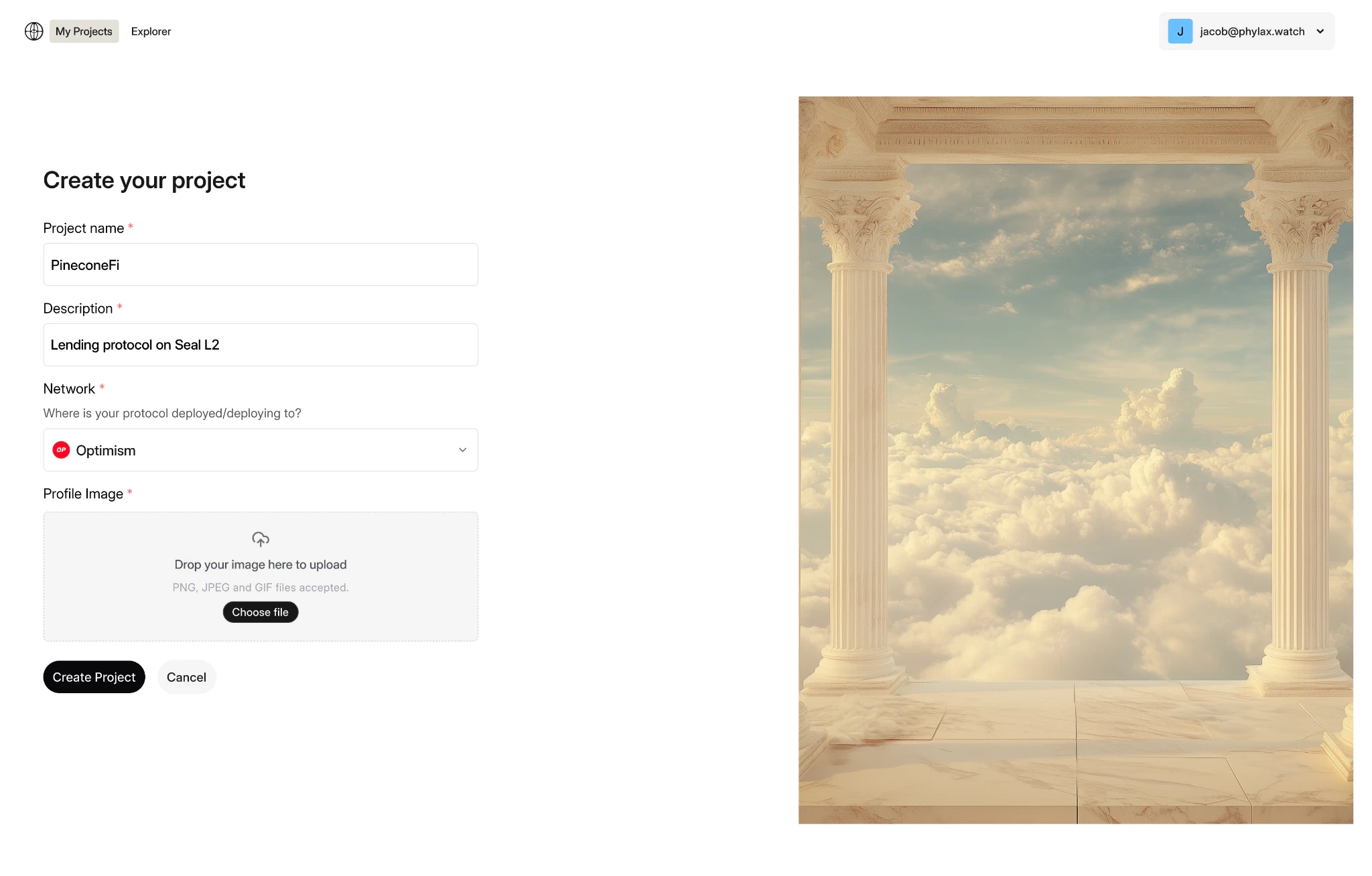
Creating a project in the platform

Deploying an assertion in the platform